After several years of drier weather patterns across much of the Midwest and Canadian Prairies, the weather story heading into summer is taking a different turn.
Earlier this month, NOAA officially declared that El Niño conditions have developed in the Pacific Ocean. This is expected to shift weather patterns across North America and could have important implications for crop disease pressure this season.
Over the past month, much of the Midwest has received timely rainfall. While precipitation has been highly variable from field to field, many regions entered June with adequate to surplus soil moisture.
Cooler temperatures through late May and early June have generally favored corn and soybean establishment. However, fields that experienced saturated soils may be seeing stand loss and increased pressure from early-season diseases, including:
Heads Up is labeled for the suppression of Rhizoctonia root rot/damping-off, Pythium, White Mold, and Sudden Death Syndrome.
While every year is different, El Niño conditions often bring:
These conditions are generally favorable for crop growth and yield potential. Unfortunately, they are also ideal for disease development.
White mold remains one of the most yield-limiting soybean diseases and thrives under these exact conditions. Following elevated white mold pressure across many northern Midwest acres last season, there is a significant amount of white mold inoculum present and ready to germinate when conditions become favorable.
Our team has more than 200 field trials in place this season and early scouting is underway.
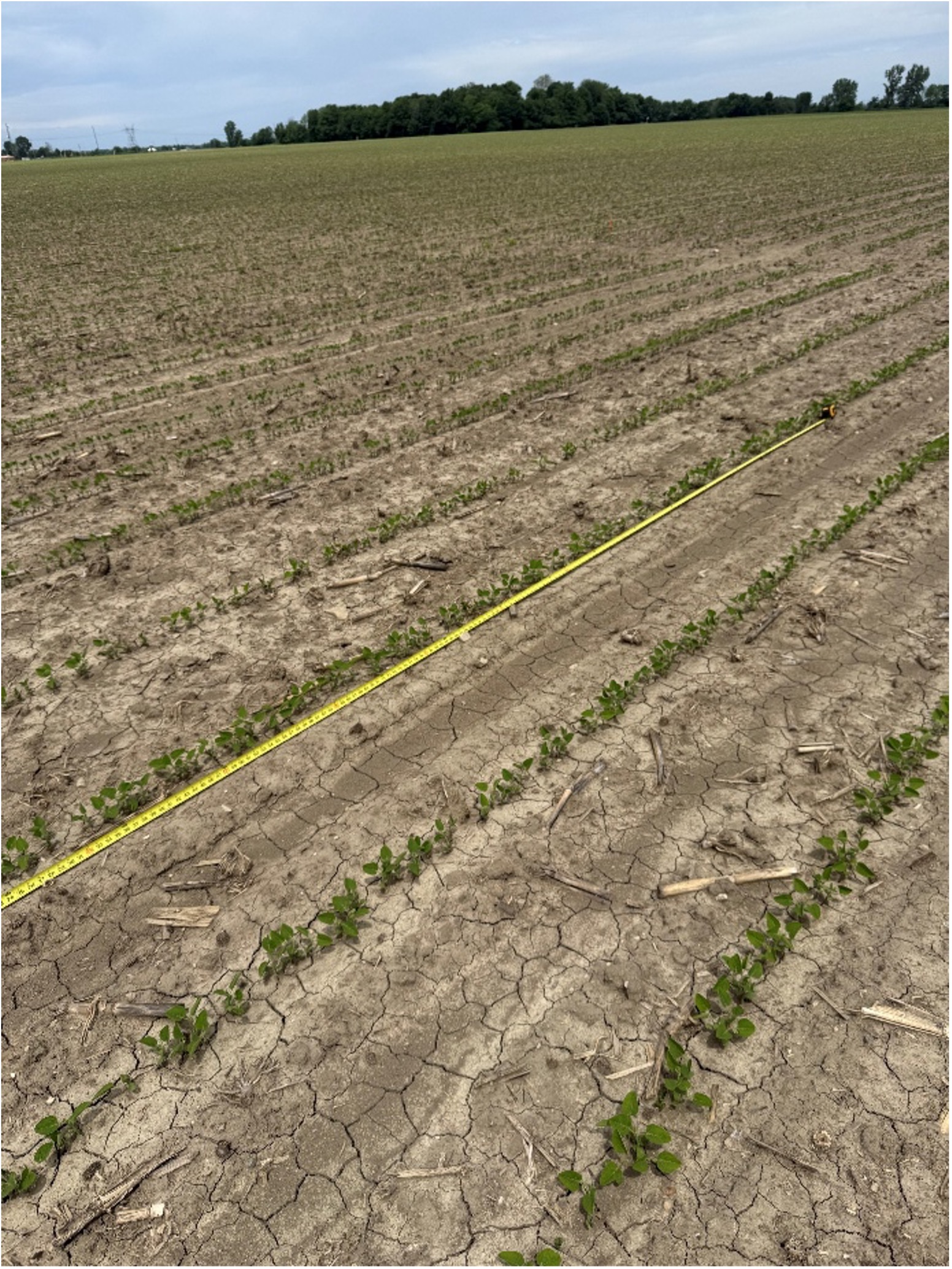
Sales representative Katie Kutscher has been collecting stand count data from early planted trial locations in southwestern Pennsylvania. Initial observations show increased stand counts in Heads Up-treated plots compared to the grower’s standard practice.
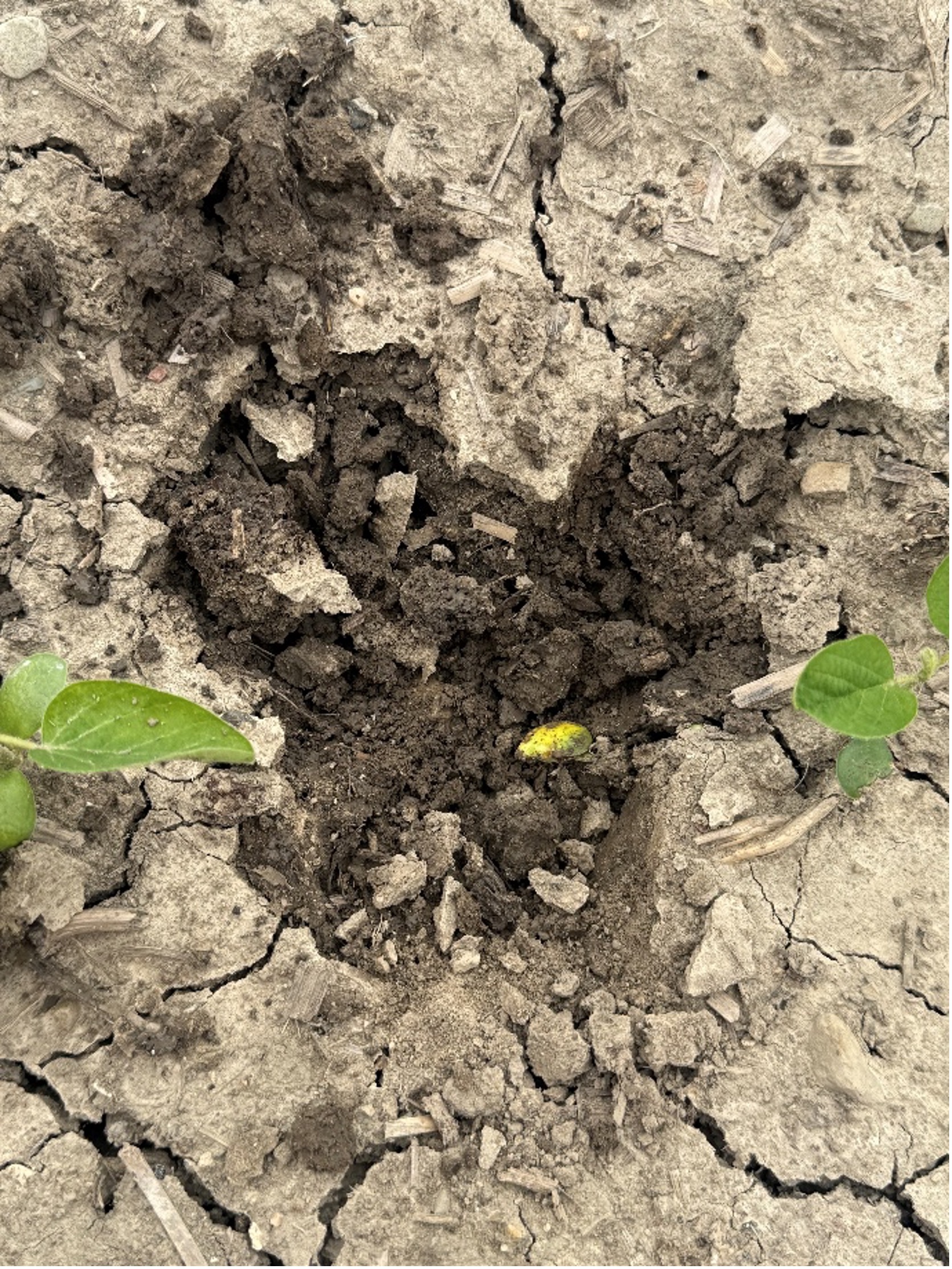
Katie has also observed field crusting caused by rainfall followed by warm temperatures and sunshine. These conditions can result in:
We’ll continue collecting data across our footprint and will share updates throughout the season.
Stay tuned as we continue scouting field trials across the Midwest. Our goal is to provide timely field observations, disease updates, and practical tools to help growers evaluate their risk for seedling diseases, white mold and SDS throughout the season.
Thank you,